A Day in the Life of a Historical Fiction Author
Introduction
If you’ve ever wondered how a historical fiction author manages to fit in work, writing, family and everything else. Here’s a few tips from someone doing it every day.
Creativity Coach and Author Sara Thomson says:
“So many creatives worry about finding the time to fit in writing and everything else in life, but it’s often about finding pockets of time in your day.
What You’ll Learn
In This Guide I’ll walk you through what it is, what it isn’t, who it’s for, and how to know if it’s the right next step for you. You’ll learn:
- ✓ How I balance writing and working life
- ✓ The morning ritual I stick to
- ✓ My reading life
- ✓ Transitioning to the workday
- ✓ Finding the balance
Balancing Historical Fiction Writing with a Working Life
As a historical fiction writer I find there’s something magical about those quiet hours in the early morning when the words flow freely and the air is still and calm.
Like most of us I balance my writing life with my family, business and working life; each day a careful dance between crafting stories, business work and helping others bring creativity to their practice, marketing and lives in general.
Some days it works beautifully and things are great, some days it’s a complete disaster and everything goes wrong. But, if there’s one thing I’ve learned it’s that the way you react and deal with these situations is more important than anything else, because we all have bad days and good days, so the way you manage those days can be key to moving past them.
Today I’m going to show you how I balance things and the steps I take to try and keep everything working in just the right way so that neither passion is neglected.
The Morning Historical Fiction Writing Ritual
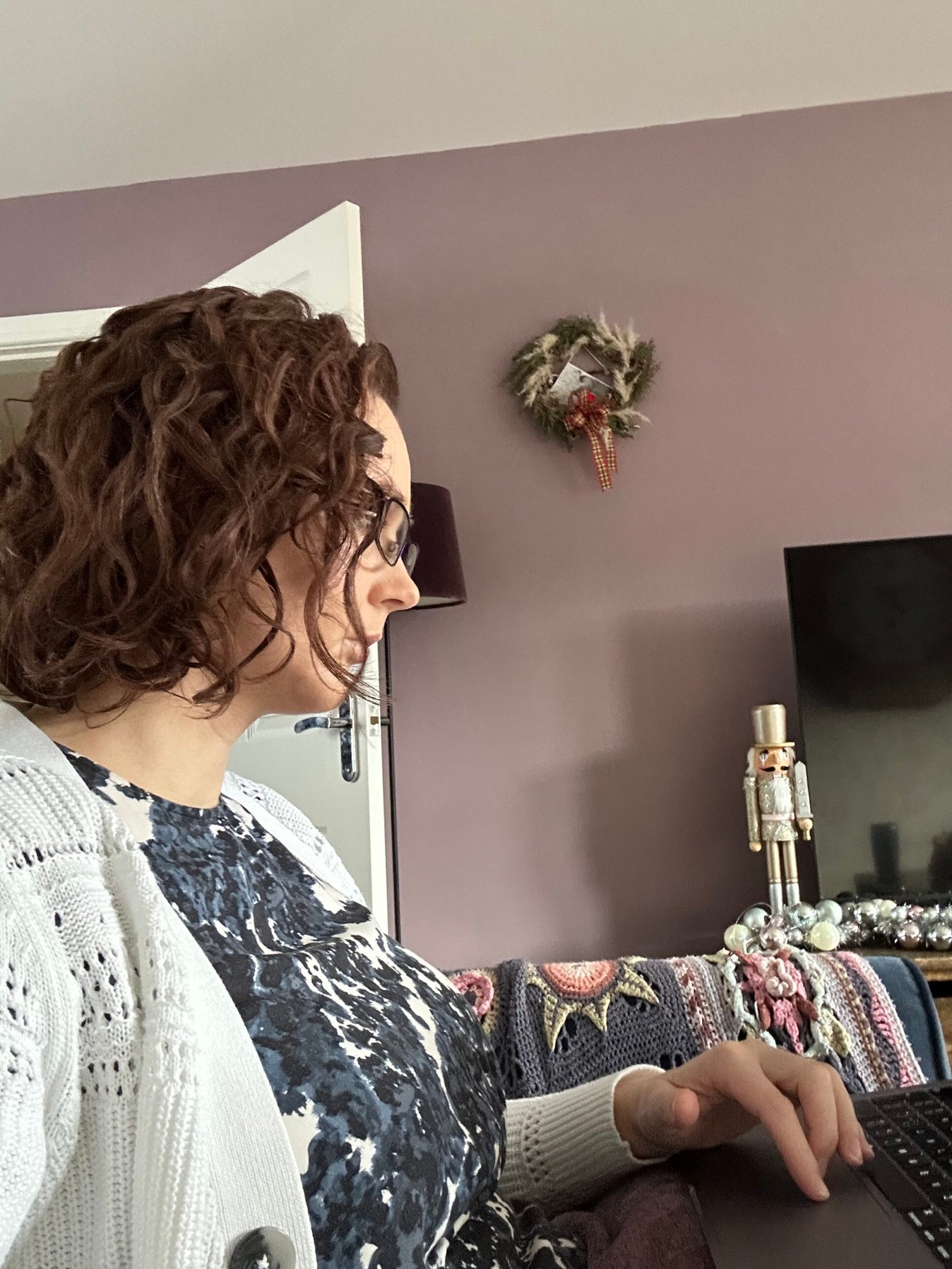
My day starts at 8am after closing the door following a mad rush of finding PE kits and doing the school run. When I get back it’s a big calming breath then shifting my energy to writing time. These mornings are sacred, when the house is quiet and my creative energy is at its peak. I like to settle in my comfy sofa chair in the corner of my office, conveniently next to my new library wall shelves and get started.
I don’t usually write at my desk as this space is more for editing, coaching and business work. I find that separation of creative practice and other work really helps get me into writing mode.
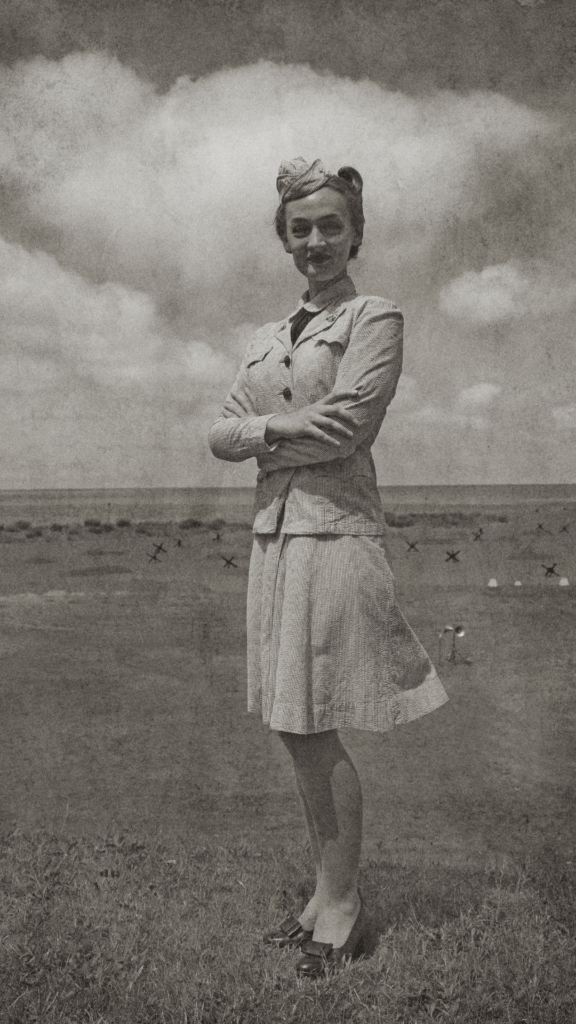
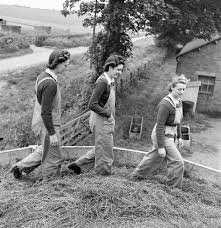
I like to start with morning pages, a practice that helps me clear my mind before diving into my current book. At the moment that’s a historical fiction murder mystery story focusing around a land girl. I’m letting the story unfold at the moment and although I’ve decided who the murderer is I haven’t yet got all the details and subplots worked out.
It’s an exciting shift in my writing and a challenge I’ve wanted to tackle for a while. The plan is to make this book a stand-alone but there will be potential for it to turn into a series in the future if I decide to go in that direction.
My writing process is intentionally fluid and while I use Plottr for initial story overview outlining, helping me outline a basic framework, I keep these outlines flexible and vague. Once this basic framework is in place I then transfer everything to Scrivener, my writing software, where the real magic happens. All the work I do from now on is done in this programme. I’ve learned to trust my writing process and often don’t know what’s going to happen next until I write it. However, I do often have a general idea of where I’m going.
My Reading Life
I use reading as an essential part of my craft, and it’s one of my favourite things to do. Often reading for pleasure and research end up intermingling together, which makes the whole process even more fun.
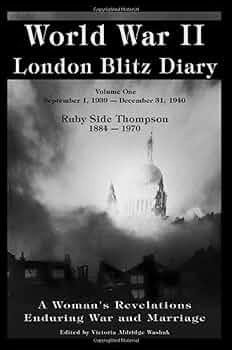
Currently, I’m reading Cider with Rosie by Laurie Lee, which is part pleasure part research. I often read around the period I’m writing in, looking at life before and after the period to get a sense of time and general attitudes, culture and daily life in different times. This book is Lee’s story of his childhood following the First World War and as I’m going to have a section of my new book in the 1920s I have started reading in, around and before that period to get a sense of place and culture. Lee’s descriptions of family and community life are outstanding and his sense of his mother’s flawed but loving relationship with all her children is so very real, it jumps off the page. All my fiction has a strong sense of family, community and the ties that bind people, so Lee’s biography has been a real insight into life during the period.
My reading habits are as structured as they are passionate. Fiction accompanies me to bed every night without fail – even if it’s 3am, I will still read before I sleep. My fiction choices reflect what I feel like reading at that moment and range from historical fiction to thrillers, classics and mysteries. Non-fiction, particularly books on writing craft, business and mindset, usually come in audiobook format, so I can listen to them in the car or while doing housework. Currently, I’m listening to Susan Cain’s Quiet. It’s an absorbing and insightful read about introversion and creativity and how this fits in our modern society.
When I need to do specific historical research reading I carve out dedicated reading time blocks during my morning writing session, so I can take detailed notes in my Goodnotes app to capture interesting snippets and useful information. I love doing the research as there are so many fascinating stories to be uncovered and investigated.
Transitioning to my Workday
By 9.30am the shift goes from historical fiction author to creativity coach. As a rule I try to keep my coaching sessions between 11am-1pm each day unless a client has specific time issues and needs an alternative time. This is simply to make sure I’m at good energy levels when I’m working with them as my energy wanes as the day goes on, so this way I can give my client the absolute best I can be. There’s a beautiful symmetry in helping others navigate their creative journey while maintaining my own too. It’s why it works so well – I’m on the path also. I understand the delicate balance of nurturing different aspects of creativity and always try techniques and ideas myself first before recommending them. Interestingly, I find that coaching and helping others with creativity often helps fill up my own creative well too.
Finding that Balance
The key to managing both sides of myself is flexibility. There are times when one side needs more dedication and time than the other and it’s a balance. For a lot of years I used to allow my work life and my writing life to be at odds with each other and it always felt like a battle, which was not conductive to a coherent situation or life of creative output in any form. These days I have accepted that both sides of myself are important and they both should work together to create a balance of who I am and what I am doing.
So, I use time blocks as this helps me keep on track with what’s important and stops me going off on journeys of discovery and getting nothing done, but I’ve learned the hard way that this needs to be flexible and some weeks the schedule is upside down. But most importantly, I’ve learned that this is okay and doesn’t mean I’m failing, it just means I’m not a robot and I sometimes need different things to make the balance work. Some days words flow freely and I get loads done, other days it’s painful to write a sentence. Some days coaching takes centre stage, some days writing demands more attention.
The valuable lesson is that creativity is a muscle that needs regular exercise, but it also needs rest and recovery time too. I no longer let my creative historical fiction work be the sacrifice when life gets busy as this leads to an empty creative well and writer’s block.
I celebrate progress, even if that’s just one word and remember that it’s the same with marketing (a job I’ve done for 15 years) consistency is far more important, even if that means just short periods of writing time; this way that creative muscle stays strong and will show up when you want it to.
Currently Reading
- Fiction – Cider with Rosie by Laurie Lee
- Non-Fiction – Quiet by Susan Cain
Key Takeaways
- The way you react and deal with problems is more important than anything else
- Trust your natural writing process
- There are so many fascinating stories to be uncovered and investigated.
- There’s a beautiful symmetry in helping others navigate their creative journey
- The key to managing multiple commitments is flexibility
By Sara Thomson
Advanced Creativity Coach | NLP Master Practitioner | Master Life Coach | MA Creative Writing (First Class) | BA (Hons) English with Creative Writing (2:1)
About the Author
Sara Thomson is a fiction author and coach specialising in overcoming blocks, building creative confidence and developing authentic creative marketing strategies. With 15 years marketing experience and a published author, she combines marketing and business expertise with deep creative understanding. Learn more about creativity coaching or download free resources.