Weaving History into Fiction – My Research Process
One question I get asked most often about my writing process is how I do all the research needed for historical fiction. Inevitably there’s a look of confusion and the words;
“but isn’t all that research really boring?”
But the truth is, rather than being boring it’s actually one of the most interesting parts. It can take you down some really fascinating alleys and pathways that you’d never even imagine. It’s a little like solving a puzzle – sometimes it’s methodical, sometimes it’s chaotic, but it’s always amazing fun.
So, let’s pull back the curtain and I’ll share how I bring the 1940s to life in my own unique way.
Before I wrote my first ever novel – Anna’s Home Front, I spent a good few years just immersing myself in the time period and reading, watching and researching anything and everything surrounding the period. I even focused on the period for my bachelors dissertation and my masters project too.
I read a lot of historical reference books, narrative non-fiction, biographies and transcripts from people during the period on all aspects of life on the home front during the wartime period and the interwar years before the breakout of the Second World War.
I also read a lot of fiction books by authors who were already writing about the period and what I discovered was that many were historical romance and focused on the relationships between the soldiers and the girls left behind.
I knew I wanted to focus on a more mystery element and have the narrative be about family, secrets and lies.
And, this is how Anna’s Home Front began.
My write first research method
As I’ve developed as a writer, I’ve found a method for research I really prefer and which fits in well with my style of writing.
You see, I first outline a basic framework of the story, so I’ll add in a specific element that I want the character to have achieved, seen or a place they need to be at the end of the chapter. So, this might look something like – Character needs to be at train station in York by the end of the chapter and has met the antagonist, etc.
But, this is as deep as I go, and often it’s much more vague than that and just says they need to speak to a certain person at some point, or that a certain character dies, etc.
The actual unfolding of the story happens as I’m writing and this means that I don’t actually know what’s going to happen until I write it. Sometimes these basic outlines get moved, scrapped or changed based on what happens as I’m writing along.
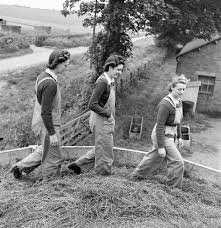
Sometimes things happen and I find I have no idea how a particular element, task or process was done at the time, for instance, my current work in progress is about a land girl and I wanted her and the other girls to go miking the cows, so I had to do some research into what the techniques of milking cows were at the time and if they had any particular style, rule, or way of doing it that I needed to know. Another important piece of research was what the land girls wore each day, and how that changed depending on the weather and supplies. Another time, when I was writing Anna’s Home Front, I wanted her to arrive at a hospital and I had to research how hospital visits would have been handled and who would have been in charge of wards, etc.
When these situations arise I will do one of two things. If I can, I will make a note of it in my research file of things I need to look into and move on to the next part of the story. I can usually do this if it’s a small piece of information, or something that won’t affect how the characters behave. This happened in Anna’s Home Front. Anna had a fondness for lipstick and I had her apply lipstick a few times throughout the story, but while drafting this, I added to my research file to find out what lipsticks were being made in 1940, if any, and which were available in London and what their names were. This piece of information wasn’t critical to the story so I could continue to write and went back later to find out the information.
So, if at all possible, I like to create a research list of everything I need to go and look into then continue writing. I do this because writing first drafts is my least favourite thing and if I got sucked into the research I’d find it hard to get back to doing the first draft.
Then, at the end of this first draft I can go through my list and do all the research bits I need to and add the relevant correct information where needed.
However, sometimes this isn’t possible and it’s a very big piece of the structure and I can’t move forward without finding out some information first. In this case I go off and do that research immediately so that I can then move forward.
An example of this is in The Prisoner. I needed my character to escape across occupied Europe, so I had to stop writing and go off and immerse myself in biographies of soldiers who escaped. I read some fascinating stories of bravery, some of which seemed fantastical and very daring and some which were really interesting. I then took some of these ways these people escaped and used them for my character to escape. So, when people read The Prisoner and see the escape story, these were a combination of many real ways, real people actually escaped occupied Europe, and I love that I’m able to bring those to life in this way.
My Research Toolkit
1. Books – the foundation of everything
I use books first and foremost and then move into other research ways after I’ve done the reading I want to. Primarily I’ll use:
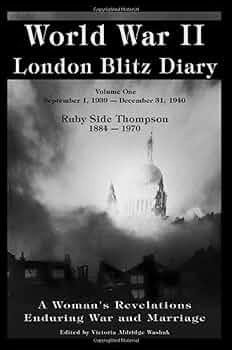
- Primary sources – diaries, letters, newspapers, transcripts
- Academic history books for wider context
- Local history publications if it’s in a particular part of Britain
2. Visual Research – the immersive experience
- Archive footage – I love archive video, it really brings the era and atmosphere to life
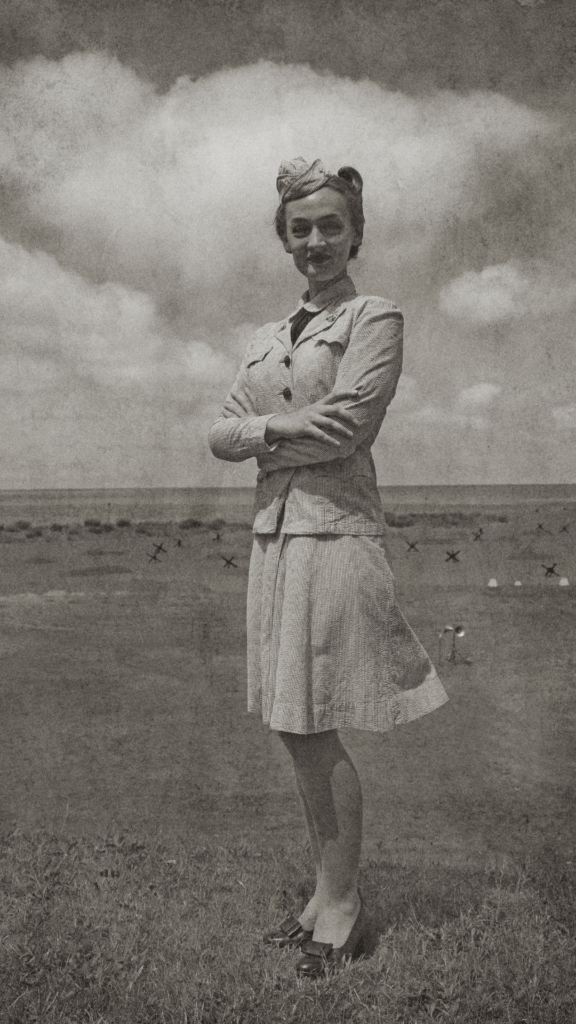
- Photographs – these tell such a lot about a period including emotions, dress, living conditions, etc
- Museum exhibits – for fantastic information, and to see interesting everyday objects from the period. A few favourites are Eden Camp, Beamish Museum and The Imperial War Museum.
3. Personal Connections – the ultimate throwback
Some of the most valuable insights come from conversations with people who lived through the era or who have a specialised knowledge of the period. Historical societies, museum curators, history enthusiasts and my memories of my own grandparents and their peers sharing their stories from the time. These conversations often reveal small, everyday details that are difficult to find in history books, like the lady who once told me that her mother used to bleach away the ration stamp mark to try and get more rations.
Challenges and My Solutions
Research can be a huge rabbit hole that can swallow you and before you know it you’ve discovered something really unusual. The difficulty comes when you spend too much time researching and not enough time researching wisely. Here’s how I’ve learned to handle the temptation to just research forever and other challenges that arise:
1. Conflicting Information
Sometimes sources disagree with each other, which can be a challenge to decide which to follow. I usually opt for either the most commonly held version or the version that will work best with my storyline. Sometimes they create interesting diversions for the narrative.
2. Missing Details
Not all things are documented. Sometimes there’s gaps, and that’s frustrating when you’re trying to find out something in particular. In these cases I make educated guesses if I really can’t find the right information. With Anna’s Home Front, I had real trouble trying to find out the brands of lipsticks ladies would have had at the outbreak of war and what these brands were called. I had to dig very long and very hard for any mention of lipsticks. I eventually found an advert poster for a brand and colour of lipstick, so went with this, but I had nearly given up at that point.
3. The Research Rabbit Hole
It’s very easy to get lost in all the stories and details of the period, particularly when you stumble on some lesser known facts. I have to do set types of research now, otherwise I’ll just do nothing but research, so restrictions are needed. I either go through my research list and research each individual thing or I research the particular big narrative structural element I need to find out. So, at the moment, I’m having to do lots of research around the 1920s Jazz era in London, because of a particular timeline element in my latest book, and I’m also having to research the land army and daily farm life.
Organisation and Planning are Key
For me organisation and planning are key when it comes to research, otherwise I’ll be too tempted to research forever and avoid the difficult narrative parts. However, sometimes I do find it impossible to not research and am usually always planning a trip to a museum, reading a historical book or watching something related to the era.
For me research for historical fiction, isn’t just gathering boring facts of events, it’s about building a story of the lives the people led and then creating a bridge to the present, so we can not only appreciate them, but learn from them too. It’s also not about showcasing every piece of information I find, but to use the relevant bits to enhance and bring the narrative forward to create an authentic slice of life that readers c